
Proper Meal Proportions
Anna Mātrā
Just how much food should a person eat per meal?
From an Āyurvedic perspective, this is vital information for an individual to know and adhere to strictly!
An añjali (your two hands cupped together) is the proper quantum of food to consume at each meal.
This is because our bodies are built inherently proportionate to all of our parts (unless there is a "bīja vikṛti" or congenital abnormality).
Of course, one person's añjali will vary in size from another person's añjali.
However, for each of these people their unique añjali size equates to the amount of food that their stomach can hold in order to start properly digesting food WITHOUT CREATING AGGRAVATION OF DOSHA.
This is a critical point to make - overfilling the stomach will greatly disturb the doshas.
There SHOULD BE room in your stomach after the completion of a meal.
In fact, in the Caraka Aaṁhitā, the very FIRST thing mentioned in the chapter on Dinacaryā (or daily activities of living that preserve health and prevent disease) is in regards to eating the proper amount of food at each meal.
Caraka is very intentional on the sequence in which he describes things in his texts, so the fact that he emphasizes eating the proper amount first here is hugely significant in the sustenance of health.

Menses or Rajah Pravrtti
When you are menstruating, it is best to limit strenuous physical activity.
Restorative yoga is a great option for fitness at this time.
From an Āyurvedic perspective, you should AVOID doing yoga inversions during your period.
Inversions will disrupt the normal flow of apana vāyu within the body.
We always want proper directionality (gati ) of vāta in the body.
Your moon cycle is a time that we want to emphasize keeping apana vāta, and your period flow, flowing in a way conducive to maintaining health (svastha).
Inversions send the rajas (menstrual excretion) opposite of the direction it should be, and, can cause health disruptions - i.e. reabsorption of blood that should be disposed of; undue pressure on uterine walls; fibroids; etc.
Panchanga
Did you know that your Pañcāṅga, the Vedic Almanac based on the sun and moon, reveals the energetic blueprint of each day and offers powerful clues about your health, mood, timing and outcomes?
In Āyurjyotisa, we look at two key pillars of the pañcāṅga: Vāra (weekday lord) and Nakṣatra (lunar star). Together, they show how agni, prāṇa, emotion, and intention are moving through your system on any given day.
Vāra tells us about your physiology and strength. each weekday is ruled by a planet that influences your digestion, energy, productivity, and physical resilience. When vāra is supported, agni is steady and the body feels aligned. When it’s weakened, we see fatigue, scattered focus, poor metabolism, or lowered immunity.
Nakṣatra, on the other hand, reveals the flow of prāṇa and the mind. it shows how your thoughts, emotions, and nervous system are interacting with the world around you. Balanced nakṣatra energy brings clarity, intuition, emotional steadiness, and aligned outcomes. disturbed nakṣatra energy shows up as anxiety, overthinking, instability, or feeling “off” for no obvious reason.
This is why Āyurjyotish doesn’t just treat the body or just read the chart - it synchronizes both. When you align your actions with vāra and your inner landscape with the nakṣatra, life starts to move with you, not against you. Healing accelerates. Clarity returns. timing supports you instead of pulling you off center.
If you’re curious what your personal pañcāṅga reveals about your health, relationships, purpose, and current life season, book a consultation
Siddhānta of Caya-Prakopa-Praśamana
Caya-prakopa-praśamana is the Sanskrit terminology for the states of Vāta, Pitta & Kapha’s accumulation, aggravation and normalization. This is considered a cycle of normal Āyurvedic physiology. Pathology takes place when the normalization state does not occur and instead dosha spreads throughout the body causing a disease state.
Within the realm of Āyurjyotiṣa, this concept of caya-prakopa can be sussed out for pathological processes occurring in the body.
For instance, let’s look at osteoporosis. we know that with age, continued use of certain medications (steroids, hormone therapy, SSRIs, etc), post-menopausal state in women, frequency & intensity in exercise throughout life, and plain ol’ genetics are causative factors of osteoporosis.
If i have a 55-year-old female client come to me, I will examine all these potential factors. When it comes to Āyurjyotiṣa, I would be particularly interested in analyzing the sun in her chart as the sun is associated with the asthi dhatu or the bones of the body. Is the sun in her chart in good standing? Or is it under affliction from malefic planets?
If the sun is under duress in her chart, I’d be concerned with negative transits of Vāyu planets that will further infuse vāta into the skeletal structure of her body. We would have to see if these negative transits take place during challenging versus beneficial daśās (ie – viṁśottarī &/or śūla) to know what extent of preventative measures and remedies need to take place.
Identifying these sorts of health potentialities can sustain quality of life in people’s later years in their life. I can’t tell you how many of my elderly patients with osteoporosis have a bad fall… fracture a hip… and then are laid up in a nursing home for the rest of their life. Who really wants that? Undergoing surgery as a geriatric is a very debilitating process that even if the person survives - their quality of life is often greatly diminished.
Education & preventative health empowers folk to live fuller, happier and with more depth of quality of life into the advanced ages
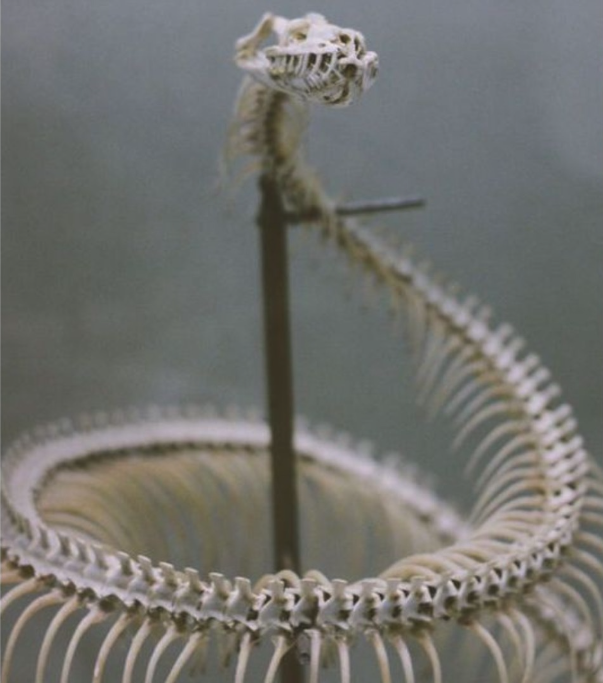
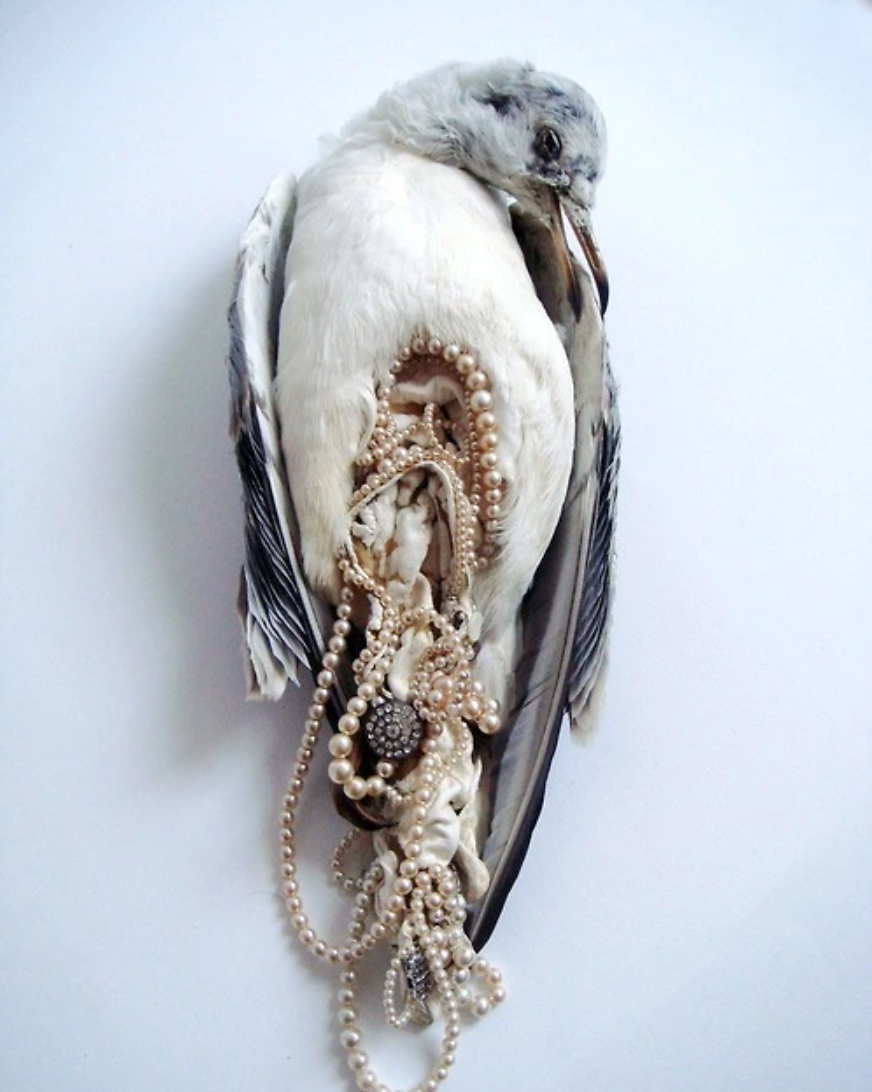
Koṣṭha or Gastrointestinal Tract
The term for the gastrointestinal tract in Āyurveda is KOṢṬHA. The gastrointestinal tract entails the mouth to the anus, inclusive of related organs such as the pancreas and gallbladder.
Jyotiṣh siddhānta: the 6th house of virgo is connected with the aforementioned KOṢṬHA. The entire zodiac is connected to a portion of the human body as depicted with the image for this post.
With the 6th house, we are able to see the nature of an individual’s digestion.
Planets placed in the 6th house show the types of foods that may give us acute health issues (as 6th house is acute vs 8th house being chronic).
Moreso within the realm of Āyurjyotiṣa, planets or planetary aspects to the 6H will allow us to understand a person’s tendency towards more Vāta, Pitta & Kapha in the gastrointestinal tract.
For instance, if Rāhu is placed in the 6th house we can anticipate that someone will have extremes in irregularity of their digestion and, subsequently, their bowel patterns.
Moon in the 6th house can show a person likely to have IBS (irritable bowel syndrome) which is a disorder often associated with stress, anxiety, etc. 6th house moon people are prone to somatizing their emotional stressors into physical stressors. Being that the 6th house relates to the gastrointestinal tract, we can understand why IBS makes sense with the moon's placement here.
How Much Water to Drink?
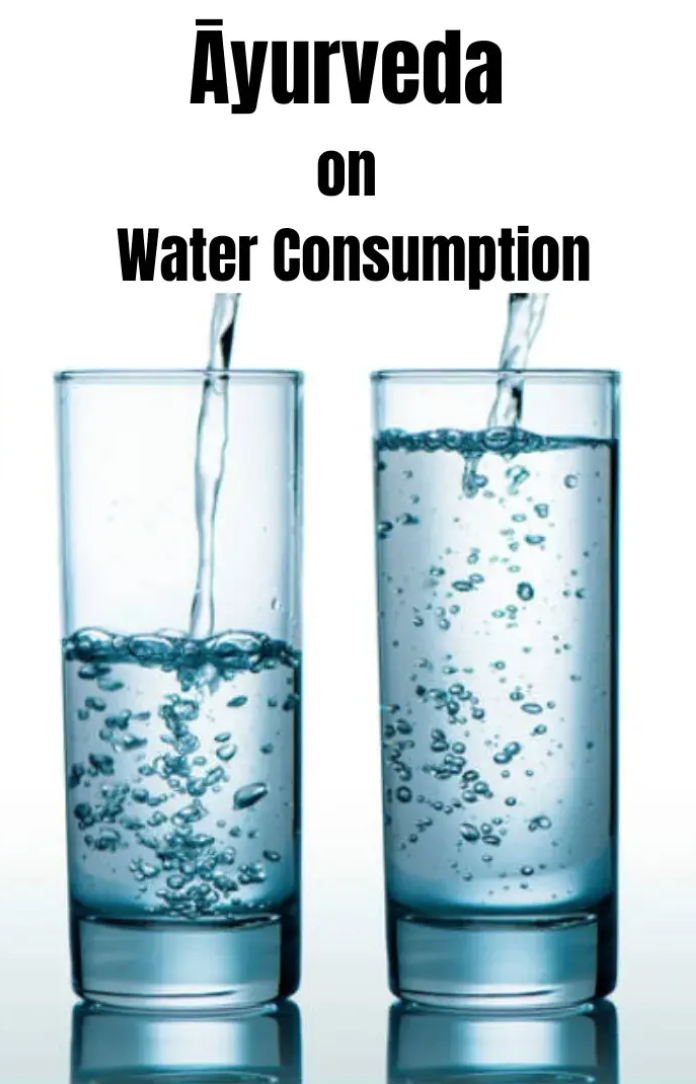
So, how much water should you drink per day?
Āyurveda has a simple answer to that question - you should drink per your thirst.
This of course requires having a discerning awareness of one's own body as it conveys its particular needs or messages - ie "I have thirst"
From an Āyurvedic viewpoint, we understand a healthy functioning of self awareness as prajña, meaning there is minimal Rajas and Ramas afflicting the manas. When this is not the case then we call it prajñāparādha. Who can tell me what is so significant about prajñāparādha?
Large quantities of water will destroy the digestive capacity. This is very much like a fire hose dousing a fire.
We need strong agni for overall well-being in life. Without proper digestion, the ahara rasa (chyle) is vitiated meaning that what is nourishing the dhātus or tissues of the body will also be vitiated as well.
Key Points in Āyurveda: Dhātu Vaiṣamya versus Roga
Vikarā is that which is malformed. This concept is also known as dhātu vaiṣamya. How we can best understand this concept is that the dhātus are either in a state of increase or decrease.
This is NOT disease but can be a precursor to it. Dhātu vaiṣamya is the inevitable ebb & flow of dhātus. Its treatment is simply resolved by viparīta cikitsā (opposite treatment) - ie if rasa dhātu is decreased in the body by consuming coconut water or aloe vera juice will bring about its increase.
ROGA (or disease) is an entirely different entity. Roga is when doshas affect dhātus and become saṃmūrchana together. This term saṃmūrchana means amalgated and essentially what this means in this context is that the dhātus start to act like doshas. This is bad news! regular viparīta cikitsā is NOT enough to extract as the doshas have become intricately entwined with dhātu. The dhātu, dosha, and mala prākṛta karmas cease to function regularly.
The śarira (body) enters into unique paradigms of functioning which require specific knowledge and methodologies to correct.
Ṣād Vṛtta

In Āyurveda, there is a concept called SĀD VṚTTA which essentially means 'proper conduct'
It is conclusive of what we think, say & do.
Sattva is the driving principle underlying it.
Some examples are being truthful, maintaining good hygiene, having respect, trusting loved ones, being modest, and also accepting achievements & failures all in the same stride.
Read more about this concept in the 2nd chapter of Aṣṭāñga Hṛdayam's Sūtrasthāna 💗
Why is Vāta Associated with Asthi Dhātu?
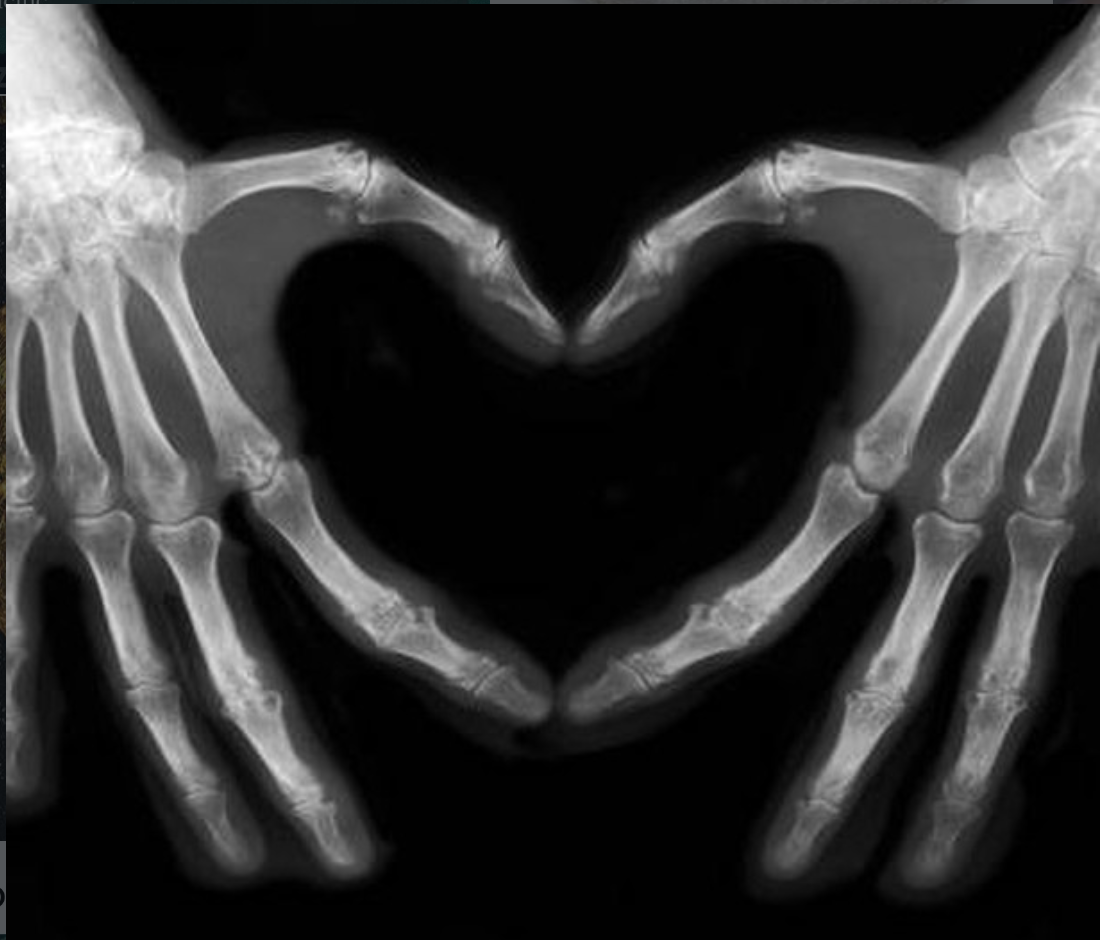
Per Aṣṭāñga Hṛdayam Sūtrasthāna Chapter 12 śloka 1, ashti is considered to be one of the doṣāsthānas or seats of vāta within the body.
But why?
We always have to think with our clinician caps on...
Vāta acts as a gatekeeper to asthi dhātu which is one of the deeper or gambhīra dhātus in the body. Therefore, asthi is harder to reach with therapeutics as well.
You will not access asthi without the grace or accompaniment of vāta.
To reach asthi, we need sūkṣma guṇa (in the medicine) and a specific marga (or pathway) which is the greatest for vāta. what pathway is the pradhān (primary) home of vāta?
You guessed it - the large intestines or pakvāśaya!
In other words, if you need to reach asthi, do BASTI! 🦴
Getting to Know Vāyu 🌬️

HṚDAYA (heart) is that which is unfathomably deep.
The heart is the āśraya or container of the manas, indriyas, & ojas.
In Āyurveda's Rachanā Śārīra (Anatomy & Physiology), the heart is described as an organ made of up māṁsadhātu having the shape of a lotus bud upside down; located in between the two pupphusas (lungs) inside of the chest & just beneath the urāsthi (sternum), slightly to the left.
This heart of ours is such a precious, delicate and yet ever so diligent vessel.
Lub, dub. Lub, dub. Lub, dub.
...day in & day out, it pulsates with electrical currents that pump and enliven our bodies with JĪVANA❤️
Until one day, it does not.

VṚTTI DHARMA
VṚTTI DHARMA are codes of conduct or professional ethics that the vaidya (Āyurvedic physician) must live by.
Detailed descriptions of these expectations the vaidya must have are enumerated upon in all of the Āyurveda saṃhitas.


RAS KĀLA or "First thing in the Morning"
Often times, Āyurvedic practitioners will prescribe medicine first thing in the morning - as this is a very potentiated time to imbibe anything into our bodies.
Let us not ever forget that we are intimately connected with the natural world around us.
As the sun rises, so do our bodies.
We operate on a 24 hour circadian rhythm that is entirely dictated by the sun. In other words, we respond physiologically to that bright, beautiful orb in the sky.
Melatonin stops producing with the first few rays of daylight.
Your basal temperature rises.
Cortisol levels decline.
Our colon contracts ~3x harder within the first hour of waking (compared to when asleep).
Digestive enzymes & juices start producing.
After we have had our bowel movement, the first thing that enters our g.i. tract in the morning is the most POTENT whether it be medicine, food or drink.
Choose wisely!
Adhyaśana
In Āyurveda there is a term called "adhyaśana"
This word refers to "the repeated eating or frequent eating of food" -
i.e. to eat before the previous meal is digested and - YES, unfortunately, this includes snacking if previous meal is not yet fully digested.
Essentially, this is considered to be 'food stacking' in the gastrointestinal tract.
This action of adhyaśana compromises the integrity of the agni (our digestion) and its ability to uphold svastha (health) across the lifespan.
Adyaśana is a habit that should be nipped in the bud! Teach your kiddos this from a young age so that it is a learned habit early on.
It is okay to feel hungry! Our ancestors had to wait until the next meal was caught and cooked. We are designed to be without food intermittently!
Feeling a true sense of physiological hunger enkindles one's digestive metabolic fire (or agni) to function optimally.

Daśa Prāṇāyatana: Ten Vital Sites Within Our Body
I just think this is lovely information to know and want peeps to have awareness of it, too!
The ātma, or our soul or life essence, resides within 10 vital sites within our body.
Collectively, these ten locations are known as the daśa prāṇāyatana.
This can be found in the Āyurveda's Caraka Saṁhitā in Sūtrasthāna chapter 29, śloka 3-4. Here is the list:
1) Right śaṅkha (temple)
2) Left śaṅkha (temple)
3) Hṛdaya (heart)
4) Śira (head)
5) Basti (bladdeṟ)
6) Kaṇṭha (throat)̱
7) Rakta (blood)
8) Śukra (reproductive fluid)
9) Ojas (vitality/inner radiance = the fusion of agni + soma)
10) Guda (rectum)
From a clinical perspective, if these sites are injured or depleted... then the deeper, more worrisome implication is that life & longevity are diminished.
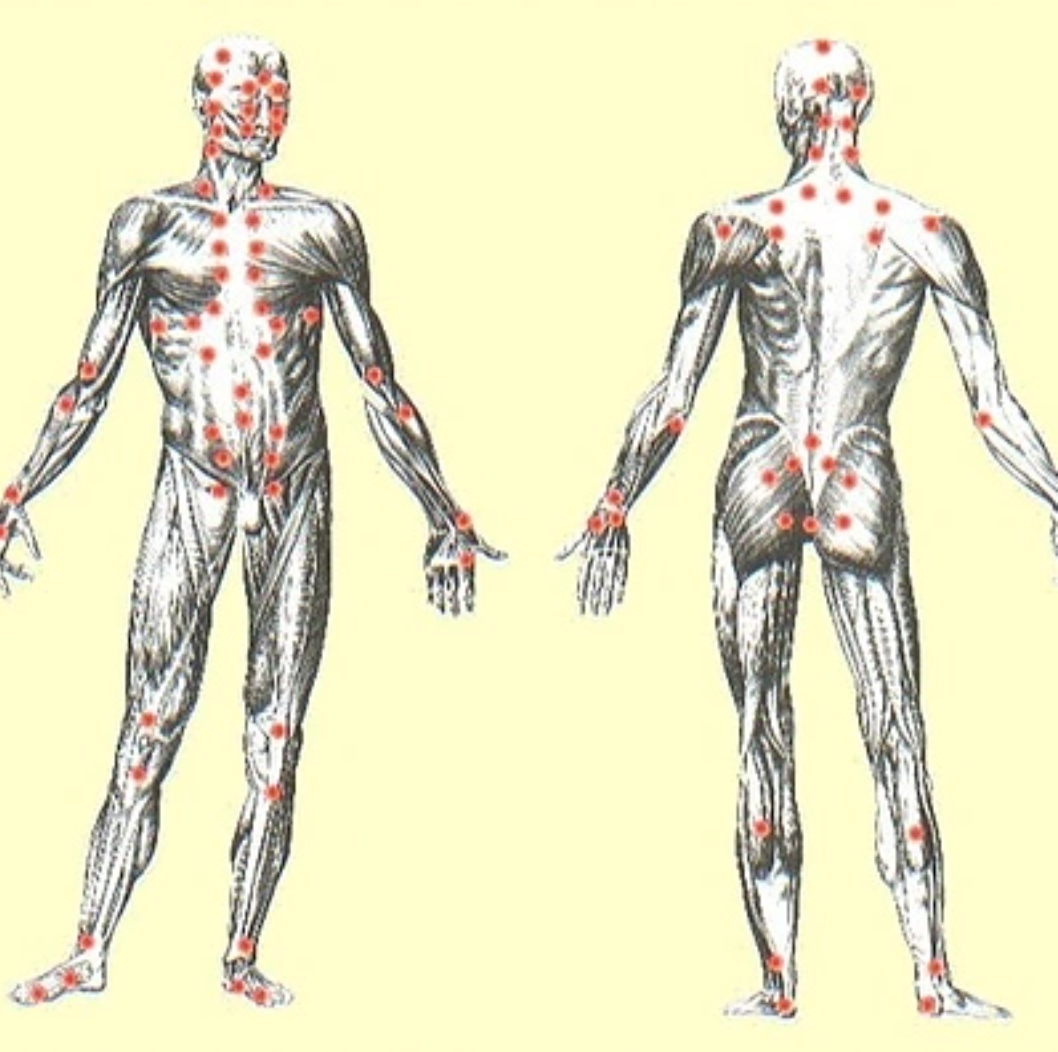
I chose to share a marma picture as many of these 10 sites are also marma points in the body as well
Various Seasons & Their Subsequent Effects on the Human Body
In chapter 8 of his vimānasthāna, Cakara discusses the various seasons and their subsequent effects on the human body.
This chapter is chock full of clinical gold in terms of executing proper and comprehensive Āyurvedic assessments.
In śloka 127, Caraka states that during the rainy season our bodies become "excessively DELIQUESCENT (moistened; liquefied) due to the exposure to rain water, invisibility of the sun, moon & stars, etc."
As result, the characteristics of water & wind are imbibed into the body which literally changes the body's structural and functional integrity as such.
Due to this seasonal effect, medicines will subsequently assimilate quite differently into the body. Therefore, the vaidya must contemplate these effects when developing their treatment plans.
Caraka goes through each of the seasons in this manner. it is fascinating material and awesome in terms of its clinical application!

Real Talk…
Let's be real. sometimes we need outside help with boosts in our energy levels.
How to do so wisely from an Āyurvedic perspective?
With foods and herbs, choosing wisely primarily comes down to guṇas (qualities or characteristics) appropriate to our body's needs.
For me, I used to work nightshifts at the hospital (glutton for punishment). Staying awake at night greatly increases rūkṣatva or dryness in the body.
Think of it in this way: MOVING around when you should be asleep rejuvenating... The body will, on the most fundamental level, increase vāta... and we all know this dosha is DRYING!
Therefore, how to choose wisely between say yerba mate or coffee for a vāta dominant person like myself? Should I stop working nights altogether? Ideally, yes - that would be the #1 absolute best thing to do in order to reduce dryness in the body (especially as this will lend to further health problems down the road).
However, in the meantime, when in need of some extra pep-to-my-step... what to do?
Yerba mate contains more of the kaṣāya rasa or astringent taste to it. This astringency makes yerba mate quite a drying beverage to the body. While on the other hand, coffee, despite being bitter itself, still contains more of the snigdha guṇa (or oiliness quality) within it thereby making it the better choice!
Food can be medicine. Learn to choose wisely via the wisdom of Āyurveda

आचार्य सर्वचेष्टासु लोक एव हि धीमतः ।
अनुकुर्यात्तमेवातो लौकिकेऽर्थे परीक्षकः ॥ ४५
Ācāryaḥ sarvaceṣṭāsu loka eva dhīmataḥ |
Anukuryāttamevāto laukikerऽthe parīkṣakaḥ ||
~ Just some food for thought from :
Aṣṭāñga Hṛdayam Sūtrasthāna Chapter 2 Śloka 45

Three Types of Treatment
Āyurveda's Bṛhat Trayī (The "Three Great" classics - Caraka, Suśruta, and Aṣṭāñga Hṛdayam) refers to 3 types of treatment modalities.
1) Daivavyapaśraya: jyotiṣh therapy - divine or spiritual cures, mantra chanting, auspicious offerings, oblations to sacred fire, following spiritual rules, fasting, visiting holy places
2) Yuktivyapāśraya: āyurvedic interventions - proper dietetic regimen & medicinal planning
3) Sattvāvajaya: psychotherapy - withdrawal of the mind from harmful objects
As we know of Āyurveda, its cikitsā (treatment protocol) primarily focuses on #2 yuktivyapāśraya via understanding the doṣas (vāta, pitta, kapha) and in their palliation via the guṇas (hot/cold, light/heavy, dry/oil, etc) or expulsion by śodana (pañcakarma).
THIS post, however, will focus on # 1 daivavyapaśraya - & exploring the realm of ayurjyotiṣh
Āyurveda alone does not address this domain as it is beyond its scope of practice. Although thru-out the Bṛhat Trayī, we see ślokas that acknowledge the need for a jyotiṣhi. For example, Caraka's chapter on 'Methods of Procreation' is abundant with references in utilizing certain nakṣatras (lunar constellations) that are optimal to conceive a child on or to choose the sex of the fetus. This knowledge can not be discerned without the help of a vedic astrologer.
Aṣṭāñga Hṛdayam's Sūtrasthāna states that disease origin is either (1) doṣaja (v/p/k) in nature, (2) karmaja (born from the effects of karma/actions of previous lives) in nature or (3) a combination of both together (chapter 12/58).
Karmaja diseases are those that despite our best attempts at cure (herbs, diet & lifestyle changes, pañcakarma, etc)... nothing works to heal the person.
In this case, a vedic astrologer is needed as the disease is likely of karmaja origin. A jyotiṣhi has the ability to look at an individual's birth chart, read the implications of their karma, AND provide remedy (i.e. mantra, donation, etc) to cure or pacify the individual's suffering.
Vedic astrology is a science. This is what i hope to convey to people. One of my life's passions is to demonstrate its validity and accuracy as a science... & someday i will, but more on that later on